Most people trying to stop drinking start with a promise. Then six o'clock arrives, the kitchen looks exactly as it did yesterday, and the promise meets the same cues it met the night before. That isn't a character flaw. It's an unfair fight. Behavioural design makes a simple point: it is far easier to change the situation than to keep resisting it. And most of the situation is made of ordinary, editable things — where the bottle sits, which street you walk down, who you see on a Friday, and what your hands do at the end of the day.
Why willpower keeps running out
Willpower is not a fixed personality trait. It's a resource that dips when you're tired, hungry, stressed or simply worn down by a long day — which is precisely when most drinking happens. Habits also run on cues rather than decisions. You don't choose to reach for the fridge door; the fridge door, the time, the sound of the recycling being put out, does part of the choosing for you.
The habit loop is cue, routine, reward. You can't do much about the reward in the moment, and you can argue with the routine all evening. The cue is the soft spot. Move the cue, and the whole chain gets harder to start.
Start by finding your cues
Before changing anything, spend a week noticing. Keep a note on your phone — no judgement, just detail: what time, where you were, who you were with, how you felt, and what happened in the ten minutes beforehand. Then look for two or three repeat offenders. Common ones include:
- Time: the 6pm "work is over" signal, or the point the kids go to bed
- Place: the kitchen counter, the sofa, the pub on the walk home
- People: the mate who greets you with "pint?" before hello
- Objects: a full wine rack, chilled bottles in the fridge door, the recycling bin clinking
- Feelings: boredom, an argument, or a good day that seems to deserve a drink
- Ritual: cooking, the bath, the football, the first ten minutes after walking in the door
You're not looking for the deepest reason you drink. You're looking for the easiest handle to grab.
Change the route, not the resolve
If the off-licence is on your way home, the most useful thing you can do is not walk past it. Take the longer road. Get off the bus a stop later. If the supermarket aisle is the problem, do the shop online, or go in with a list and a time limit and leave. This isn't avoidance as weakness; it's removing a decision you'd otherwise have to win every single day.
The same applies to your phone. Turn off the notifications from the pub group chat if it reliably ends in you going. You can rejoin the conversation without joining the round.
Redesign the rooms and routines at home
Home is where most of the cues live, and it's the place you have the most control over. Out of sight genuinely helps — alcohol that isn't visible gets asked for far less often. A few changes worth making:
- Clear the visible spaces first: the counter, the table, the fridge door.
- Move whatever stays somewhere awkward — a high shelf, a box behind the paint tins, the back of the garage.
- Put the wine glasses away and drink from something else. A different glass breaks the ritual, not just the drink.
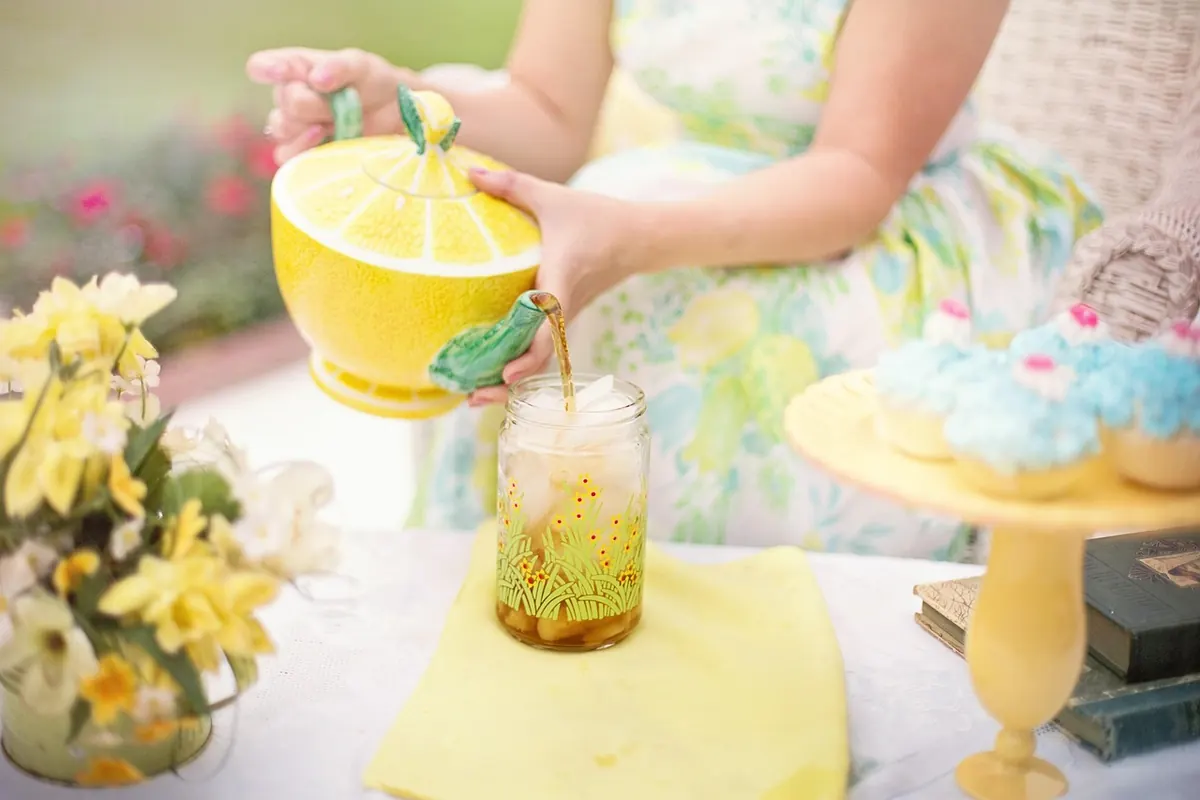
- Give your hands a job at the usual hour: cold fizzy water with lime, a proper cup of tea, a walk with a flask.
- Move the room. If you always drink in the kitchen, sit in the front room. If it's the sofa, go out at that time instead.
- Protect the first hour after work or after the school run. That window is the hinge of the whole evening.
One caution: for some people, an empty house is riskier than a stocked one, because it means a trip out. You know your own pattern better than any rule does.
Rethink your social settings
The people
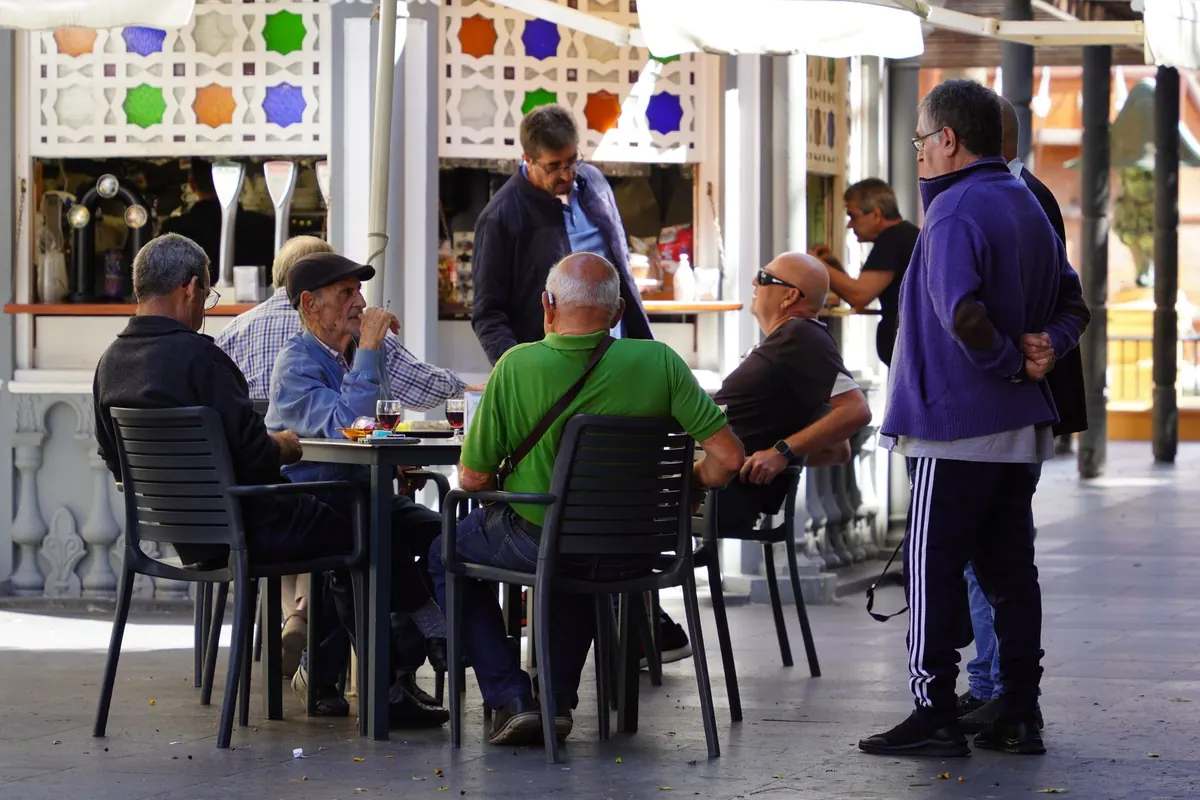
You don't owe anyone a speech. "I'm not drinking at the moment" is a complete sentence, and you can repeat it as often as needed. Suggest a different setting — a walk, coffee, food, an earlier start. Meet at six rather than eight, drive yourself, and leave when you've had enough rather than when the table empties.
If a friendship only works over drink, that's worth knowing. It doesn't have to end, but it does need a new shape: a Saturday morning instead of a Friday night, a curry instead of six pints.
The occasions
Weddings, birthdays and Christmas are cue-heavy. Decide your plan before you arrive, walk in with a soft drink already in your hand, and have one line ready for the person who won't let it go. Arriving prepared is not the same as being rigid — it's just not leaving the decision to the least reliable version of you.
A one-week environment reset
- Monday: note every drink and what happened in the ten minutes before it.
- Tuesday: clear alcohol from the visible rooms. Counter empty, fridge door empty.
- Wednesday: change one route — the walk home, the shop, the aisle.
- Thursday: build a replacement for the 6pm ritual. Same time, different thing, something you actually enjoy.
- Friday: tell one person your plan before the evening, and agree on a venue that isn't a pub.
- Saturday: change one room so it stops feeling like the drinking room — move a chair, add a lamp, put a radio where the bottle used to be.
- Sunday: review. What worked, what needs another go, and what's worth making permanent.
Adjust, repeat, and ask for help
Environment design doesn't replace willpower; it means you need less of it. If you slip, the useful question isn't "why am I weak?" but "which cue is still in place?" Then move it. Small edits, repeated, do more than one heroic evening.
One important note: if you drink heavily and daily, stopping suddenly can be physically dangerous, so speak to your GP before you stop rather than after. If practical changes aren't touching the problem, that's a signal to get proper support — from your GP, a local alcohol service, or a peer support group — not a sign that you've failed at this.
The aim is modest and achievable: to make the sober choice the easy choice in most of the rooms you spend your time in. Do that often enough and it stops feeling like a fight.
Photo: TheVirtualDenise / Pixabay