Two invitations land in the same week. One is the office Christmas do in a city-centre bar, the other a neighbour's Boxing Day drinks where the mulled wine has been simmering since October. You want to see people. You also want to wake up on 27 December with your sobriety intact.
Both are possible, but not by luck. The people who get through the party season well do their thinking beforehand, in a quiet kitchen, rather than in a noisy room with a glass being pushed towards them. Here's a plan you can build in twenty minutes and keep in your phone.
Decide Before You Reply
Sort every invitation into one of three piles: yes, yes with a plan, or no thank you.
A yes is a party where you know the host, the venue is manageable, and there's something to do other than drink. A yes with a plan is anything big, late or boozy — the works do with a free bar, the pub crawl with no end time. Go, but go prepared. The third pile is real too: some invitations are best answered with a card and a cheerful no.
Be honest about timing, as well. A Christmas lunch from noon to 3pm with a set menu is a very different evening from an open-ended night in someone's flat. Early events are usually easier; the drinking is slower and people leave when the food is cleared.
Scripts That Do the Work
You don't need to explain yourself. The more you explain, the more it sounds negotiable. Keep it short, friendly and slightly boring. Boring is the point.
"I'm on the lime and soda tonight — but I'll get the next round of crisps in."
"I've got the car, so it's a soft one for me."
"Not tonight, thanks. I'm up early tomorrow."
If someone pushes — and at Christmas someone usually does, because it comes from their nerves rather than yours — repeat the same sentence in the same warm tone. No new information, no debate. Most people give up after two attempts because there's nothing left to argue with.
For the "why aren't you drinking?" question, decide your answer in advance. Some people are open about recovery; others prefer "I sleep better without it" or "I'm taking a break until New Year". Both are true enough, and neither invites a follow-up.
What to Hold in Your Hand
An empty hand attracts offers. A full one doesn't. Walk in with a drink and you'll usually get through the first hour untouched.
- Arrive with one. Get your drink as soon as you're through the door, before you say hello to anyone.
- Ring ahead. Pubs and bars vary in what they stock. A quick call or a look at the menu tells you whether there's an alcohol-free beer you actually like, or whether you'll be on tonic and lime all night.
- Bring your own to house parties. Ask the host if you can bring a bottle of something alcohol-free — elderflower pressé, ginger beer, a decent alcohol-free lager. It also gives you something to offer other people.
- Read the small print. Drinks labelled low-alcohol or 0.5% still contain a little alcohol. If that matters to you, check the label before you pour.
- Watch the food. Christmas pudding, brandy butter and trifle all contain alcohol. Whether that bothers you is a personal call; the point is to decide beforehand rather than mid-bite.
- Mind the sugar. Fizzy soft drinks all night can leave you wired and jittery. Alternate with water or a hot drink.
Build Your Exit Plan First
Deciding how you're getting home before you arrive is the single most useful thing you can do. It turns an open-ended evening into something with an end.
- Set a leaving time and tell someone — ideally someone who'll ask you about it afterwards.
- Book your own transport. Don't rely on a lift from someone who's drinking.
- Park facing the road if you can, and don't let anyone block you in.
- Agree a code word with a friend. "Can you feed the cat?" means call me and give me a reason to leave.
- Practise the quick goodbye. Long rounds of hugs can keep you there another hour. A quiet word with the host and out the door is perfectly polite.
The First Twenty Minutes and the Last Half Hour
Arrivals are the hardest part. The room is loud, you don't know where to stand, and someone is already holding out a glass. Give yourself a job: carry the mince pies, take coats, run the playlist, hold the door. Being useful gives you a reason to move around and something to talk about that isn't what's in your glass.
Watch for the moment the party changes gear — the volume rises, the stories get repetitive. That's your cue. You don't have to stay until the last taxi. Leaving at ten, sober and happy, beats leaving at one, hollowed out.
Plan the hour after you get home, too: a bath, a film, a text to a friend. That's where a lot of quiet risk sits.
If You're Hosting, You Set the Terms
Hosting is the easiest version of Christmas. Buy alcohol-free options you'd drink yourself, serve them in the same glasses, and don't make a fuss about it. Skip the rounds and let people help themselves — rounds push people past their own limits and make a sober guest feel watched.
When the Right Answer Is No
Some events aren't worth the cost. The cousin's all-day pub crawl. The party where standing in the kitchen with a cup of tea isn't an option. Decline early, decline warmly, and suggest something else: a walk, a coffee, a lunch in January. Nobody will remember you weren't there. You'll remember how you felt the next morning.
Your One-Page Plan
Before the next invitation, write this in your phone:
- Three scripts you're happy to say out loud.
- The drink you'll order on arrival.
- Your leaving time and your transport home.
- The name of one person you can text at eleven at night.
Keep it where you can reach it without thinking. Getting through Christmas isn't about avoiding every party — it's about having a plan you trust when the music is loud and the room is warm. If you're in early recovery, or you're taking medication that reacts with alcohol, speak to your GP, your keyworker or your recovery group before the season starts, and build the plan with them.
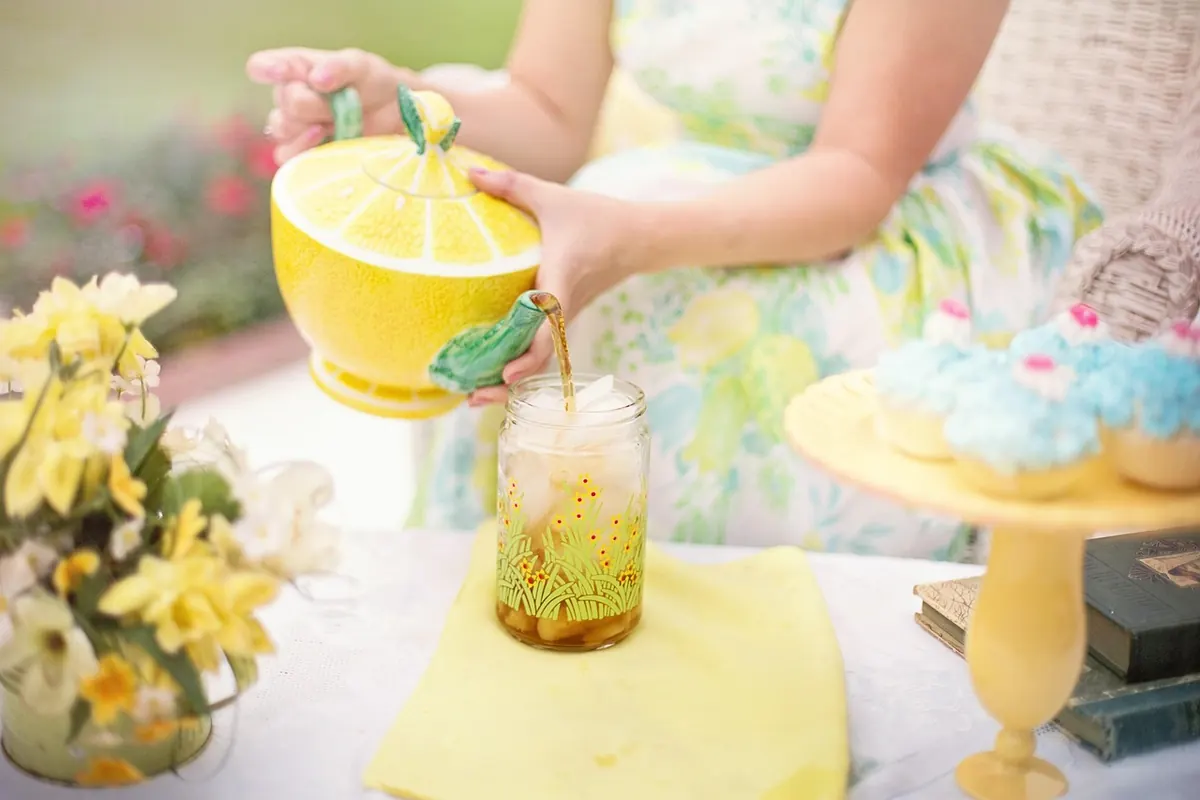
Photo: JillWellington / Pixabay